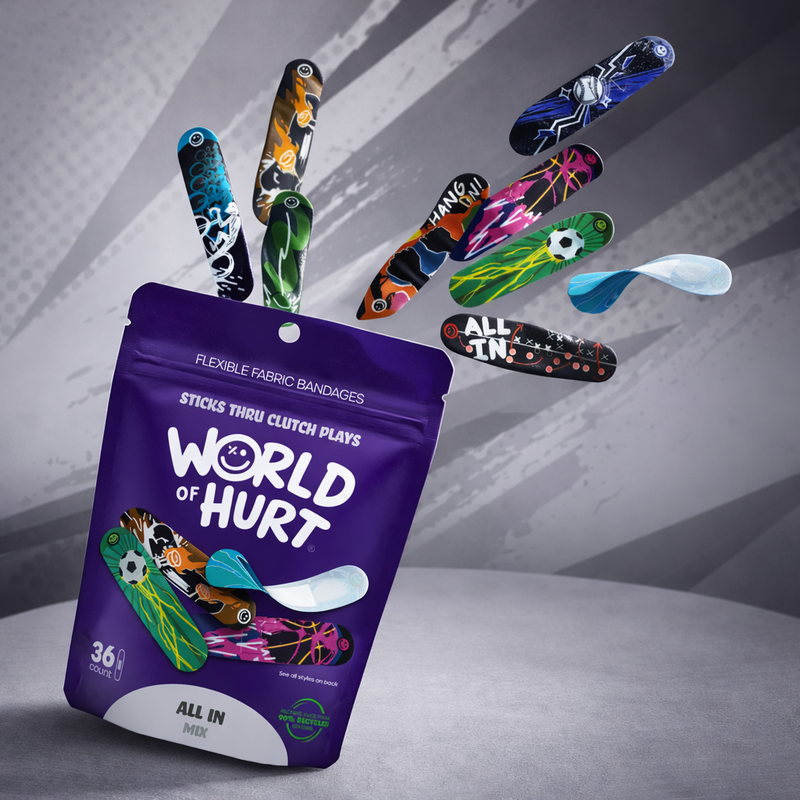
When concerning the childhood experience, cuts and bruises are an essential aspect of the experience. Each small incident can become a noteworthy experience, but for kids, the pain of a little injury often brings along tears. This is where the charm of fun and exciting bandages comes into play. No longer do we have boring, plain strips; modern innovations have enabled us to change simple first aid into a joyful event. Custom kids' bandages not just shield cuts and also bring smiles and giggles back to little children.
In this post, we will examine ten unique ideas through which custom kids' bandages can convert crying into joy. We will additionally look into the comprehensive guide to safety for choosing the right bandage—which encompasses options that are hypoallergenic to the principles of healing wounds. Whether it's a scraped knee at the playground or a minor cut from a fall, ensuring our children feel safe and at ease is a high priority. Accompany us as we discover the most suitable bandage selections tailored for delicate skin, adventurous summer days, and enjoyable wound care experiences that will leave your child feeling cared for and prepared to take on the world.
Creative Wound Care Ideas for Kids
Enhancing the experience of managing minor cuts in children can be as straightforward as picking the right bandage. Personalized kids' bandages come in a variety of fun designs, displaying favorite characters and vibrant colors that can bring smiles and minimize anxiety during first-aid moments. Using bandages embellished with superheroes or fairytale figures can help children feel more at relaxed, turning their attention from the injury to the joy of wearing their beloved character, successfully transforming cries into laughter.
For parents of sensitive little ones, picking the correct bandage material is essential. Skin-friendly options, made from breathable fabrics or silicone, can reduce irritation and allow for gentle wear, even on energetic playdates. It's vital to emphasize quality and materials that are gentle on the skin, helping to keep the mood light and promote positive associations with wound care. Engaging children in the choice of their bandage can also encourage them and make the situation of injury a little less frightening.
In also to appearance, functionality matters a lot. When selecting bandages, consider waterproof options that hold up during seaside outings or pool days, ensuring they stay put while children have fun. Flexible fabric bandages offer the resilience needed for lively movements and provide ease on joints and elbows. Creative solutions like design-featured bandages or those with interesting textures can help distract kids while providing the protection they need for healing.
Choosing the Right Bandage for Delicate Skin
As selecting a bandage for a child with easily irritated skin, it's essential to prioritize materials that reduce irritation and discomfort. Hypoallergenic bandages are specifically designed to reduce the chance of allergic reactions, making them a appropriate choice for toddlers who may react to standard adhesives. Seek bands that are free from latex, fragrance, and harsh chemicals to make sure they remain kind on tender skin.
The flexibility in bandage materials also plays a major role in ease of use. Adhesive bandages made from soft, breathable fabrics can conform easily to the body, enabling movement without causing chafing or irritation. Additionally, choosing bandages that have a non-stick pad can further enhance comfort by preventing the adhesion to the wound itself, which makes removal easier and less unpleasant.
Lastly, consider the value of specialized designs that are appealing to children while offering comfort. Many brands have created character-themed or brightly colored bandages that not only disguise minor injuries but also make children more inclined to wear them. Focusing on engaging designs can help divert little ones from the pain of their wounds and promote a favorable healing experience.
Important First Aid Advice for Guardians
When dealing with minor scrapes and scrapes, sanitation is paramount. Always start by cleaning your hands carefully before attending to your child's cut. If Full Report is soiled, gently wash it with soft soap and water to remove any debris. After washing, pat the area dry with a fresh towel before putting on a dressing. This not only assists avoid infection but also encourages better recovery.
Selecting the suitable bandage can make a considerable difference in your child's ease and willingness to assist during treatment. For kids with sensitive skin, non-allergenic bandages are recommended, as they reduce irritation. Look for bright designs or fun bandages to make the healing process more entertaining. The key is to choose a bandage that sticks firmly but is also easy to remove to avoid any unnecessary tears.
Finally, keeping an eye on your child's wound is important. Keep an observe on any indicators of contamination, such as heightened redness, swelling, or pus. Teach your child to avoid picking at the scab by using colorful bandages that they can customize. This can divert them and promote healing instead of irritating the wound. Having a fully equipped first-aid kit with essential items ensures that you're always ready to address minor accidents with ease.